Senior Driving Safety: How to Handle the Car Keys Conversation
Losing the Keys, Keeping the Dignity
“The first time I fired up a car, felt the engine shudder and the wheel come to life in my hands, I was hooked.”
— Mario Andretti
My sister called to tell me our father had been in a car accident but was fine. I talked to him almost daily, and he hadn’t said a word about it. I’d been pressing for months that we needed to do something about the car — or should I say the keys. I’m certain he wanted me to be the last to know.
He’d been moving into a left turn lane at a stoplight, likely going ten or fifteen miles an hour, when he missed the brake and bumped two cars waiting in line to turn. His prized Lexus — the first luxury car he’d ever owned — took the brunt of it, the front bumper cracking on impact. The police came, insurance was exchanged, and since none of the other cars were damaged, everyone was sent on their way. The Lexus went to the repair shop. Pop went home.
Carl would not be driving anywhere for a while.
It wasn’t just the fender bender — that was the moment it became undeniable that we needed to take the keys. There’d been signs before. He’d gotten to the point where he much preferred others driving him around, and I think he realized his own skills had diminished. Turning the wrong way down a one-way street. Changing lanes with cars around him blasting their horns because he’d cut them off. Losing the car in crowded parking lots. Thankfully, he no longer drove more than a few miles from his independent living apartment. Family members started mentioning they weren’t comfortable riding in the passenger seat. And it wasn’t just relatives noticing — his friends noticed too. He no longer felt comfortable picking anyone up from the airport, navigating the highways. His friends started meeting him at the restaurant instead of riding together — they’d likely witnessed the danger themselves.
Carl may not openly admit it, but he definitely noticed.
So what is a family to do? Timing matters — and so does paying attention. Point out what you’re seeing, not to ridicule, but to understand the difficulty and offer help. It’s hard to predict the exact moment for “hanging up the keys,” but preparing for it ahead of time helps the decision feel more natural when it comes. Maybe you encourage gifting the car to a grandkid. Maybe a major repair gives you a natural off-ramp — the car simply shouldn’t be driven anymore. Maybe the cost of insurance, parking, and gas has made it financially hard to justify. Or maybe, like in our case, it just isn’t safe anymore. Lucky for us the lease was up for renewal - easy decision to just say no.
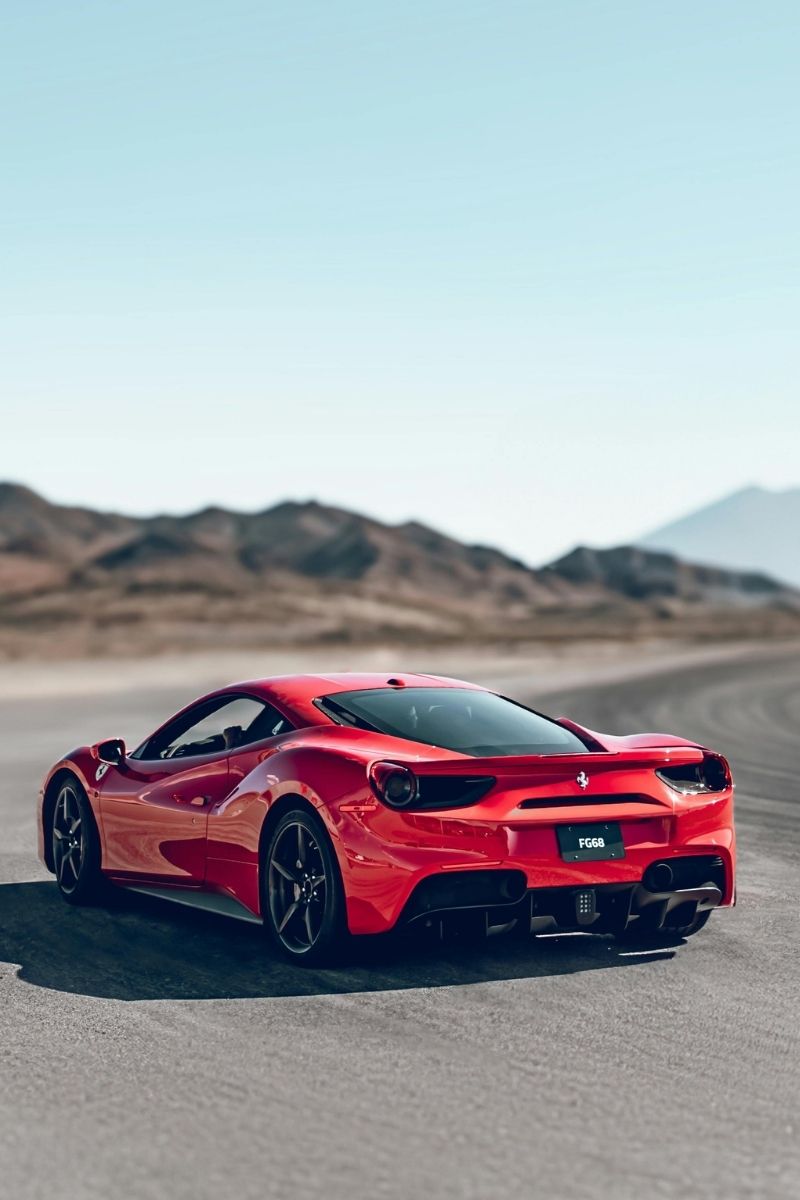
It’s important to understand that Carl loves cars. He talks about his first car — a ’53 Chevy he bought from his uncle — and the favorite car he ever owned, an Oldsmobile Toronado. He watches every form of racing on television. He went to an Indy car race once, a NASCAR race twice, and has followed his favorite driver, Mario Andretti, his whole adult life. He loves to tell the story of shaking Carroll Shelby’s hand at an event. (IYKYK!) We make sure he sees all the racing movies — Ford v Ferrari was a favorite. He still says that one of these days he’s going to take his money and buy a Ferrari. The Ferrari stickers on his fire-engine-red walker honor the brand. He still occasionally misspeaks and says he’s going to get in his car and come visit me. (The car and the keys are long gone.) I just smile and tell him we’ll try to get him here if he’s up for it.
Keys still hang on an entryway hook. Most of them don’t unlock anything anymore, but in some way they represent a life well lived — Chevys, station wagons, a Toronado, Pop’s truck, and even a Lexus with a replaced bumper. He may no longer drive, but boy, what he remembers — and the longing for that dream Ferrari — makes Pop our Pop.
The open road will always live in our memories — even after we’ve handed over the keys.